How to Clean a Washing Machine (Front-Load and Top-Load)
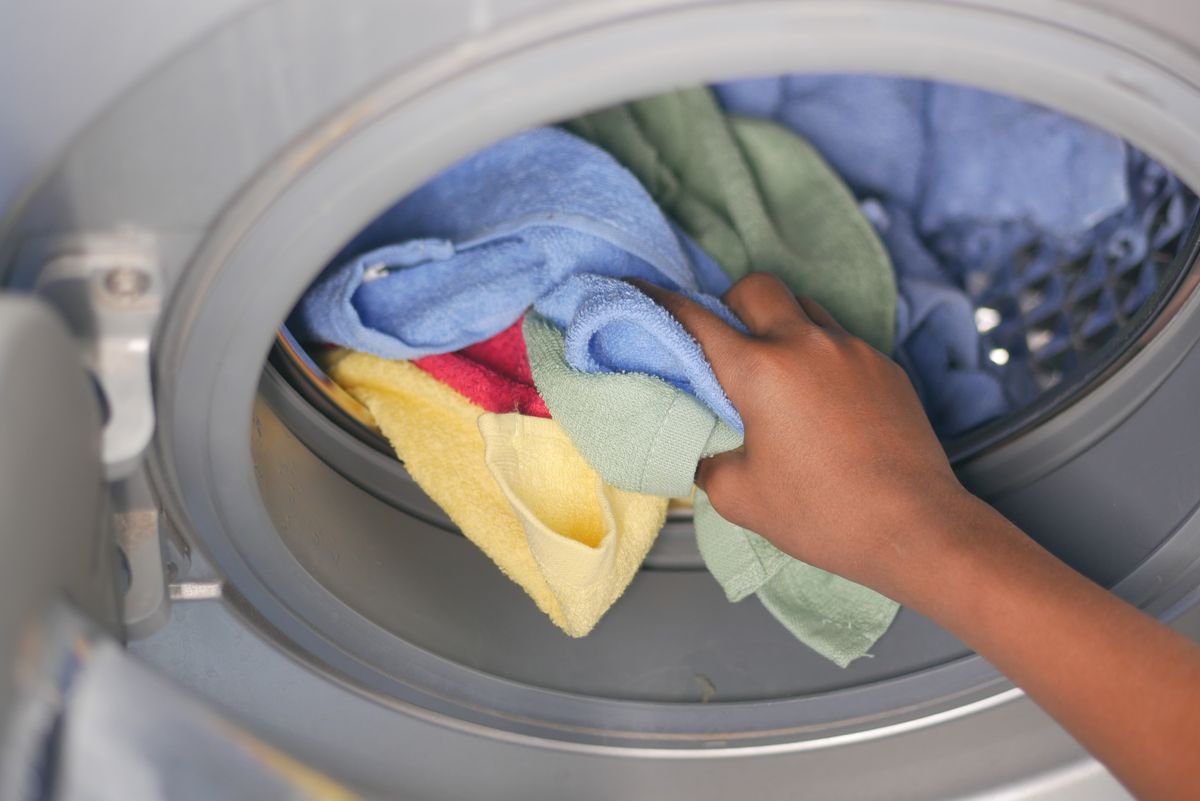
It seems backwards, but the machine that cleans everything else needs cleaning too. Detergent residue, fabric softener, lint and hard water minerals build up in places you never see. Add a damp, closed-up drum and you get mildew. If your "clean" towels come out smelling a bit sour, the washer is usually the reason.
The good news is that a proper clean takes about 20 minutes of actual work, plus one empty cycle. Doing it once a month keeps most machines fresh.
Check your manual first
Most newer machines have a cleaning cycle, usually called something like Tub Clean or Clean Washer. If yours has one, use it. The manual will also tell you which cleaners the manufacturer recommends. Some brands say to use a washer cleaner tablet or a measured amount of bleach, and some warn against regular vinegar because it can be hard on rubber seals over time. When the manual and a blog post disagree, go with the manual.
What you'll need
- A washing machine cleaner, or chlorine bleach if your manual allows it
- Dish soap and warm water
- An old toothbrush
- Microfiber cloths or old towels
- A shallow tray or baking dish (front-loaders only, for the filter)
How to clean a front-load washer
1. Clean the door seal
The rubber gasket around the door is where most of the smell lives. Pull the folds back gently and look inside. You'll often find lint, hair, the odd sock, and black spots of mildew. Wipe it all out with warm soapy water and a cloth, using the toothbrush for the creases. For mildew, a cloth dampened with diluted bleach (follow the label for the ratio) works well, but rinse it off with plain water afterward and keep it away from any other cleaner.
2. Clean the detergent drawer
Most drawers pull all the way out if you press a release tab, which is usually marked on the drawer. Soak it in hot soapy water for a few minutes, scrub off the gunk and rinse. While it's out, look into the opening it slides into. There's often slimy buildup up there too, so give it a scrub with the toothbrush.
3. Empty the drain pump filter
Front-loaders have a small filter behind a panel at the bottom front of the machine. It catches coins, hair clips and lint before they reach the pump. Put down a towel and the shallow tray first, because water will come out, sometimes more than you'd expect. Some machines have a little drain hose so you can empty it in a controlled way. Unscrew the filter slowly, let the water drain, pull out whatever's caught in it, rinse it, and screw it back in firmly. A filter that isn't sealed properly will leak on the next wash.
4. Run a hot cleaning cycle
With the drum empty, add your washer cleaner or bleach as directed and run the cleaning cycle, or the hottest, longest cycle the machine has. Don't add detergent. If your machine smelled bad, you might need to run it twice.
5. Wipe and dry
When it's done, wipe the drum, the seal and the inside of the door, then leave the door and the drawer open so everything dries.
How to clean a top-load washer
Top-loaders are a little more forgiving because water drains away from the drum more easily, but they still get grimy.
Start with the parts you can reach: wipe under the rim of the tub, the inside of the lid, and the dispensers for bleach and fabric softener. If your machine has an agitator, check whether the top cap lifts off. Fabric softener residue often collects underneath.
Then run the cleaning cycle, or a hot cycle on the largest load size, with your washer cleaner or bleach. If your machine lets you pause, some people stop it once the drum is full and let it soak for an hour before finishing the cycle. That helps with heavy buildup.
Older top-loaders sometimes have a lint filter inside the agitator or along the rim of the drum. Newer ones usually don't. Your manual will say.
Don't forget the outside
Wipe the control panel, the top and the door with a damp cloth and a little dish soap. Don't spray cleaner directly on the controls, since liquid can seep in around the buttons.
Keeping it fresh between cleans
A few small habits make a big difference:
- Leave the door or lid open between washes so the drum dries out. This is the single best way to stop mildew in a front-loader.
- Take wet laundry out as soon as the cycle ends.
- Use the right detergent in the right amount. High-efficiency machines need HE detergent, and too much of any detergent leaves residue that feeds odors.
- Go easy on fabric softener. It builds up in drums and in towels, which is one of the reasons towels end up smelling musty.
- Wipe the door seal dry every week or so.
How often should you clean it?
Once a month is a good rule for most households. If you wash a lot of heavily soiled loads, have hard water, or notice the smell coming back sooner, do it more often. It's one of the monthly jobs on our household cleaning schedule, and it fits nicely alongside cleaning the dishwasher filter.
One last reminder: whatever you use, use it on its own. Bleach in particular should never be combined with vinegar or other cleaners. Here's which cleaning products should never be mixed, and why.


Comments
Post a Comment