How to Remove Hard Water Stains From Glass Shower Doors
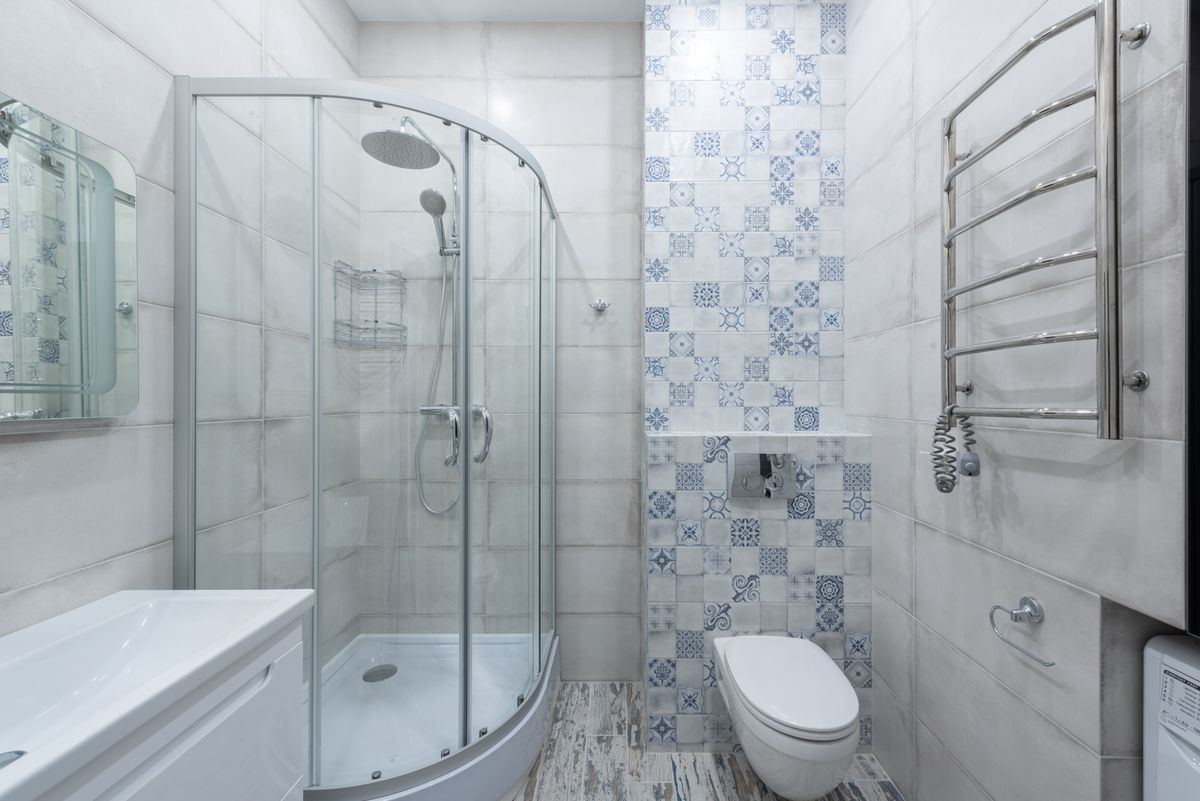
If your shower door looks foggy no matter how much you wipe it, it's almost certainly hard water. Lots of US homes have moderately hard to very hard water, and glass shows it more than anything else in the house. When the water dries, it leaves calcium and magnesium behind as little white spots. Over a few weeks those spots build up, mix with soap residue and turn into a cloudy film.
Normal glass cleaner slides right over it. What you need is something mildly acidic to dissolve the minerals, and then a small habit to stop them coming back.
Start with warm vinegar
For light to medium buildup, plain white vinegar does the job. The trick is warming it first. Warm vinegar works noticeably faster than cold.
- Warm about a cup of white vinegar until it's warm but not boiling.
- Pour it into a spray bottle. If there's greasy soap scum too, add a teaspoon of dish soap and swirl gently.
- Soak the glass. Really wet it.
- Wait 15 to 30 minutes. Spray again anywhere that starts drying out.
- Scrub in small circles with a non-scratch sponge.
- Rinse well and dry with a squeegee or microfiber cloth.
For stubborn spots, add baking soda
If there's still a haze, make a paste of baking soda and a little water and spread it on with a sponge. Spray vinegar over it. It'll fizz. Scrub gently, rinse and dry. Baking soda is soft enough not to scratch glass as long as you're using a sponge and not pressing down with something abrasive.
For the really bad stuff, give it time
Thick, long-ignored buildup usually just needs the vinegar to sit longer. Soak paper towels in warm vinegar and press them flat on the glass. They'll stick on their own. Leave them an hour, peel them off, scrub, rinse and dry. This is especially good at the bottom of the door and along the frame, where it's always worst.
Store-bought lime and hard water removers are stronger again. They're fine for heavy buildup, just read the label, wear gloves, open a window, and never use them alongside bleach. If your door has a special coating, test a corner first.
A few things to avoid
Steel wool and scouring pads will scratch glass permanently. If your shower has marble, travertine or limestone, keep vinegar off it, because acid etches natural stone. Rinse any drips straight away. And don't leave acidic cleaners sitting on metal frames for hours, it can dull the finish.
Keeping the glass clear
Honestly, one habit does most of the work here: squeegee the glass after every shower. It takes about thirty seconds. No water left to dry means no mineral spots.
A few other things help. A quick mist of daily shower spray or diluted vinegar after squeegeeing slows buildup. Water-repellent glass treatments make water bead up and roll off, and last a few months. Running the bathroom fan helps everything dry faster. If your water is very hard, a water softener treats the whole house, though it's a bigger investment. Shower-head filters are cheaper, but how much they reduce minerals varies a lot by model.
With the squeegee habit, a weekly vinegar spray and a deeper clean once a month is usually enough. If you're building a full routine, our 15-minute daily cleaning routine fits this in easily.


Comments
Post a Comment