How Long Do Leftovers Last in the Fridge? A Simple Food Safety Guide
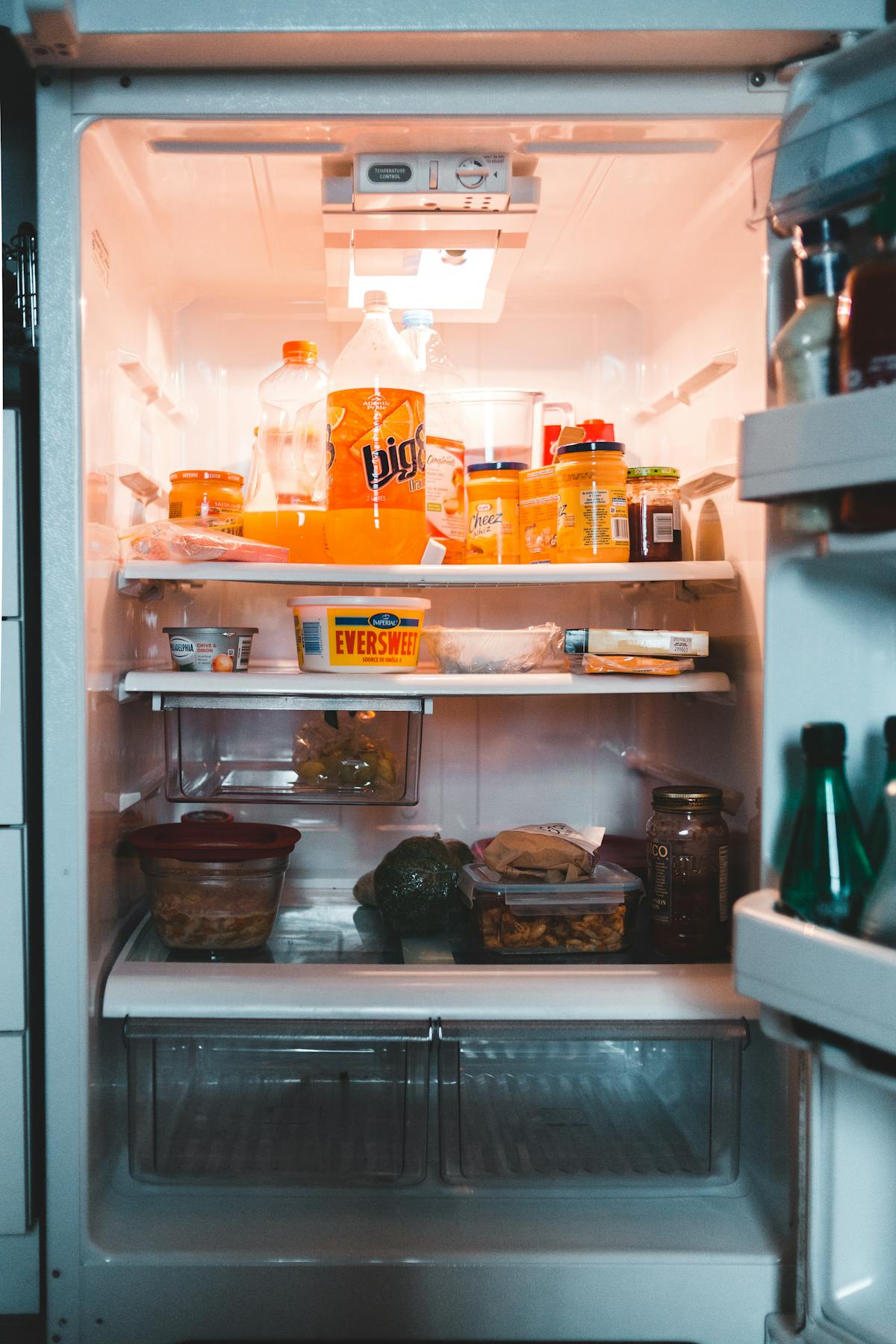
Leftovers save time and money, but there's always that moment of standing at the open fridge, holding a container and wondering if it's still OK. Food can look and smell perfectly fine and still have enough bacteria in it to make you sick. So sniffing it isn't a great test.
Luckily, food safety agencies like the USDA keep the rules pretty simple. These are general guidelines. For a specific food, the USDA's FoodKeeper app is a handy reference.
The main rule: 3 to 4 days
Most cooked leftovers are good for 3 to 4 days in the fridge. That covers cooked meat, chicken and fish, soups and stews, rice and pasta dishes, casseroles, and yes, leftover pizza.
After that, the risk goes up even if nothing looks wrong. Some of the bacteria that cause food poisoning don't change the smell, taste or look of food at all.
The 2-hour rule
Bacteria grow fastest between 40°F and 140°F (4°C to 60°C). Cooked food shouldn't sit out at room temperature for more than 2 hours. If it's hot out, above 90°F (32°C), like at a summer barbecue, that drops to 1 hour.
Anything left out longer than that should go in the trash, not the fridge.
Is your fridge cold enough?
The fridge should be at 40°F (4°C) or colder, and the freezer at 0°F (-18°C). A lot of built-in displays aren't very accurate, so a cheap fridge thermometer on the middle shelf is worth a few dollars.
How long common foods keep
| Food | In the fridge |
|---|---|
| Cooked meat, poultry, fish | 3 to 4 days |
| Soups and stews | 3 to 4 days |
| Cooked rice and pasta | 3 to 4 days |
| Pizza | 3 to 4 days |
| Hard-boiled eggs, in the shell | 1 week |
| Opened deli meat | 3 to 5 days |
| Egg, tuna or chicken salad | 3 to 5 days |
| Raw ground meat or poultry | 1 to 2 days |
| Raw steaks, chops, roasts | 3 to 5 days |
Packaged foods have their own dates, so follow those too.
Storing leftovers well
Get them into the fridge within two hours of cooking. A big pot of soup takes ages to cool in one piece, so split it into a few shallow containers. That cools it quickly and evenly.
Airtight containers keep food fresher and stop drips. Raw meat goes on the bottom shelf so it can't drip onto anything ready to eat. Try not to cram the fridge full either, since cold air needs room to move.
And label everything. A strip of masking tape and a marker with the date takes five seconds and saves all the guessing later. This one habit probably prevents more wasted food than anything else here.
Need longer? Freeze it
If you know you won't get to something within three or four days, freeze it. At 0°F, food stays safe indefinitely because bacteria can't grow, although the quality slowly drops. Most cooked leftovers taste best if eaten within two to six months.
Thaw in the fridge, in cold water, or in the microwave. Not on the counter. There's more on this in our beginner's freezer guide.
Reheating
Leftovers should be reheated to 165°F (74°C) inside. A food thermometer is the only real way to know. Bring soups and sauces to a full boil. In the microwave, cover the food and stir or turn it halfway, because microwaves leave cold spots. And only reheat what you're going to eat, since reheating the same portion over and over doesn't do it any favors.
When to throw it out
Mold, a sour smell, a slimy texture or a weird color are obvious signs. But again, food can look fine and not be fine, so go by the date on the lid.
If you can't remember when you made it, or you're not sure how long it sat out, throw it away. A container of leftovers is cheap. A bout of food poisoning isn't.


Comments
Post a Comment