The Beginner's Freezer Guide: What Freezes Well and What Doesn't
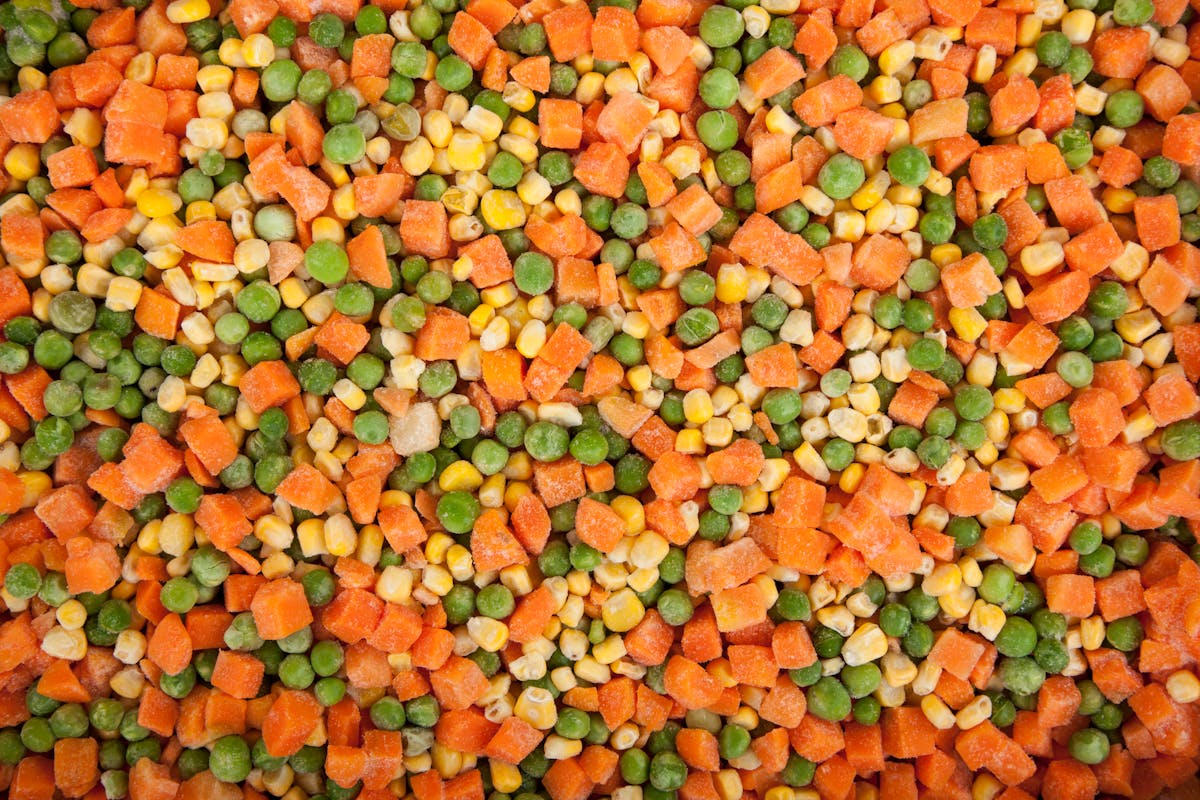
The freezer is probably the most underused money-saver in the kitchen. Bread that's about to go stale, bananas going brown, half a pot of chili, a big pack of chicken that was on sale. All of it can be saved for later.
Not everything freezes well, though, and bad packaging can turn good food into dry, icy disappointment. Here's what's worth knowing.
First, the temperature
Keep your freezer at 0°F (-18°C) or colder. At that temperature bacteria can't grow, so according to the USDA, frozen food stays safe indefinitely. What changes over time is quality: taste, texture and moisture slowly drop off. So freezer "use by" times are really about flavor, not safety.
Things that freeze really well
Bread, bagels, tortillas and muffins. Slice bread before freezing so you can take out a slice or two and toast it straight from frozen.
Raw meat, chicken and fish. Freeze them in meal-sized portions, flattened in bags so they thaw faster.
Cooked rice and quinoa, portioned in bags. They reheat in a couple of minutes in the microwave.
Soups, stews, chili and sauces. Leave some space at the top of the container, because liquid expands as it freezes.
Butter and shredded cheese. Shredded cheese is great for cooking. Blocks can go crumbly.
Ripe bananas, peeled and sliced, for smoothies and banana bread. Berries and chopped fruit, frozen on a tray first so they don't stick together in one big lump, then moved to a bag.
Vegetables, if you blanch them first. A quick boil followed by a dunk in ice water keeps green beans and broccoli from going dull and soft.
Cookie dough. Scoop it into balls, freeze them, and bake a few whenever you feel like it.
Fresh herbs, chopped and frozen in an ice cube tray topped up with olive oil or water.
Things that don't
Lettuce and salad greens go limp and watery. Cucumbers and radishes turn to mush. Celery is fine for cooking but not for eating raw afterward. Raw potatoes get grainy and discolored, although mashed potatoes freeze better.
Eggs in their shells can crack as they expand, but beaten raw eggs freeze fine in a container. Mayonnaise and cream-based sauces tend to separate. Soft cheese and yogurt change texture but are still OK for cooking or smoothies. And anything fried loses its crunch.
Avoiding freezer burn
Freezer burn is those dry, grayish-brown or frosty patches. It happens when air reaches the surface of the food and moisture escapes. It's safe to eat, it just tastes dry and bland.
The fix is mostly about air. Squeeze as much as you can out of bags before sealing, or use a vacuum sealer. Freezer bags are thicker than regular storage bags and worth the extra cost. Wrap meat tightly in plastic wrap or freezer paper before bagging it. Let hot food cool in the fridge first, because putting it in warm creates steam and ice crystals. And try not to leave the freezer door hanging open.
Label everything
After a few weeks, every frozen bag looks the same. Write what it is and the date on each one. A quick list on the freezer door, or on your phone, helps you use the oldest things first.
How long things stay at their best
| Food | Best within |
|---|---|
| Bread and baked goods | 2 to 3 months |
| Raw ground meat | 3 to 4 months |
| Raw steaks and roasts | 4 to 12 months |
| Whole raw chicken or turkey | Up to a year |
| Cooked leftovers, soups, stews | 2 to 3 months |
| Fruit and blanched vegetables | 8 to 12 months |
Thawing safely
Don't thaw meat or cooked food on the counter. The outside warms into the danger zone while the middle is still frozen.
The fridge is the safest option. Small things thaw overnight, a big turkey takes days. Faster: seal the food in a leak-proof bag and put it in cold water, changing the water every 30 minutes, then cook it right away. The microwave's defrost setting works too, as long as you cook straight after. Plenty of things, like soups, vegetables and thin cuts of meat, can be cooked from frozen. Just allow about half as long again.
Keeping it organized
Freeze soups and ground meat flat in bags, then stand them up like files once they're solid. You'll fit far more in. Bins or baskets for each type of food help, and so does a "use soon" bin right at the front.
Wondering how long something will last in the fridge instead? Here's our leftovers food safety guide.


Comments
Post a Comment