How to Get Rid of Fruit Flies in Your Kitchen
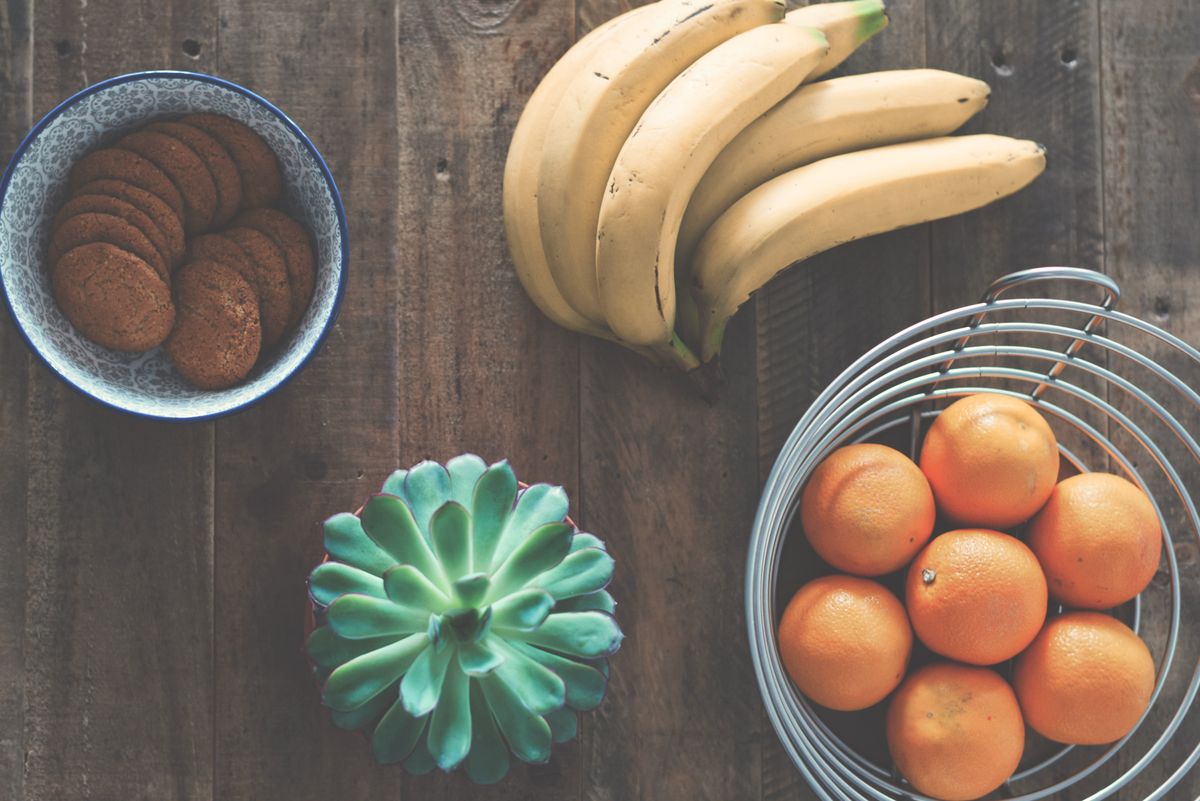
One day there's a single tiny fly circling the fruit bowl. A few days later there seem to be dozens. Fruit flies are harmless, but they're annoying, and they multiply quickly in a warm kitchen. The good news is that they're one of the easier pests to get rid of, as long as you deal with where they're breeding and not just the flies you can see.
Why they show up
Fruit flies are drawn to fermenting food, especially overripe fruit and vegetables. They often come home with your groceries as eggs on the produce, then breed on anything moist and sugary: a forgotten potato, a sticky recycling bin, the gunk in a drain. Their life cycle is short, so in warm weather a small problem can become a big one within a week or two.
That's why traps alone rarely solve it. You need to remove the breeding spots and catch the adults at the same time.
Step 1: Find and remove the source
Go through the kitchen and check these spots:
- The fruit bowl. Throw out or use up anything overripe, bruised or split. Move ripe fruit into the fridge if you won't eat it soon.
- Potatoes and onions. One rotting potato at the bottom of a bag can host a whole colony. Your nose will usually find it.
- Trash and recycling. Take them out, then rinse the bins. Rinse cans and bottles before they go in the recycling, especially juice, soda, beer and wine.
- Drains. Sink drains and garbage disposals build up a film of food that fruit flies love.
- Damp sponges, mops and dishcloths. Swap them for clean ones and let them dry out.
- Spills. Look under the fridge, beside the toaster and around the trash can for anything sticky.
Step 2: Clean the drains
If the flies seem to hover around the sink, the drain is a likely culprit. Scrub inside the drain opening and under the rubber flaps of the garbage disposal with a stiff bottle brush and some dish soap, then flush with plenty of hot water. If you have plastic (PVC) pipes, use hot tap water rather than boiling water. Repeat for a few days.
A quick test: tape a clear plastic cup upside down over the drain overnight. If there are flies in it in the morning, they're coming from the drain.
Step 3: Set a trap
The classic homemade trap works well and costs almost nothing.
- Pour a little apple cider vinegar into a small jar or glass, about an inch deep.
- Add a drop of dish soap and stir gently. The soap breaks the surface tension, so flies sink instead of landing on top.
- Cover the top with plastic wrap, hold it in place with a rubber band, and poke a few small holes in it with a toothpick.
- Put it wherever you see the most flies.
The flies follow the smell in through the holes and can't find their way out. A splash of red wine or a piece of very ripe banana works as bait too. Make two or three traps if the problem is bad, and replace the liquid every few days.
Step 4: Keep going for a week or two
Even after you clear the source, eggs that were already laid will keep hatching for a while. Keep the traps out, keep produce in the fridge, and keep taking the trash out often. Most kitchens are clear within one to two weeks.
How to keep them from coming back
- Rinse fruit and vegetables when you get home. This washes off any eggs on the skin.
- Store ripe produce in the fridge. Our guide on storing fruit and vegetables shows what goes where.
- Empty the kitchen trash regularly, especially in summer.
- Rinse recycling before it goes in the bin.
- Don't leave dirty dishes in the sink overnight.
- Wipe up spills and crumbs as they happen.
Fruit flies or something else?
If the flies are darker, hang around houseplants instead of food, and seem clumsy in the air, they're probably fungus gnats, which breed in damp potting soil. Letting the top inch or two of soil dry out between waterings usually takes care of them. And if you've cleared every source and still have flies, check less obvious places, like a leaking pipe under the sink or a damp corner of the pantry.
For more on keeping food fresh so it doesn't attract pests in the first place, see how long leftovers last in the fridge.


Comments
Post a Comment