Decluttering for Beginners: A Room-by-Room Guide
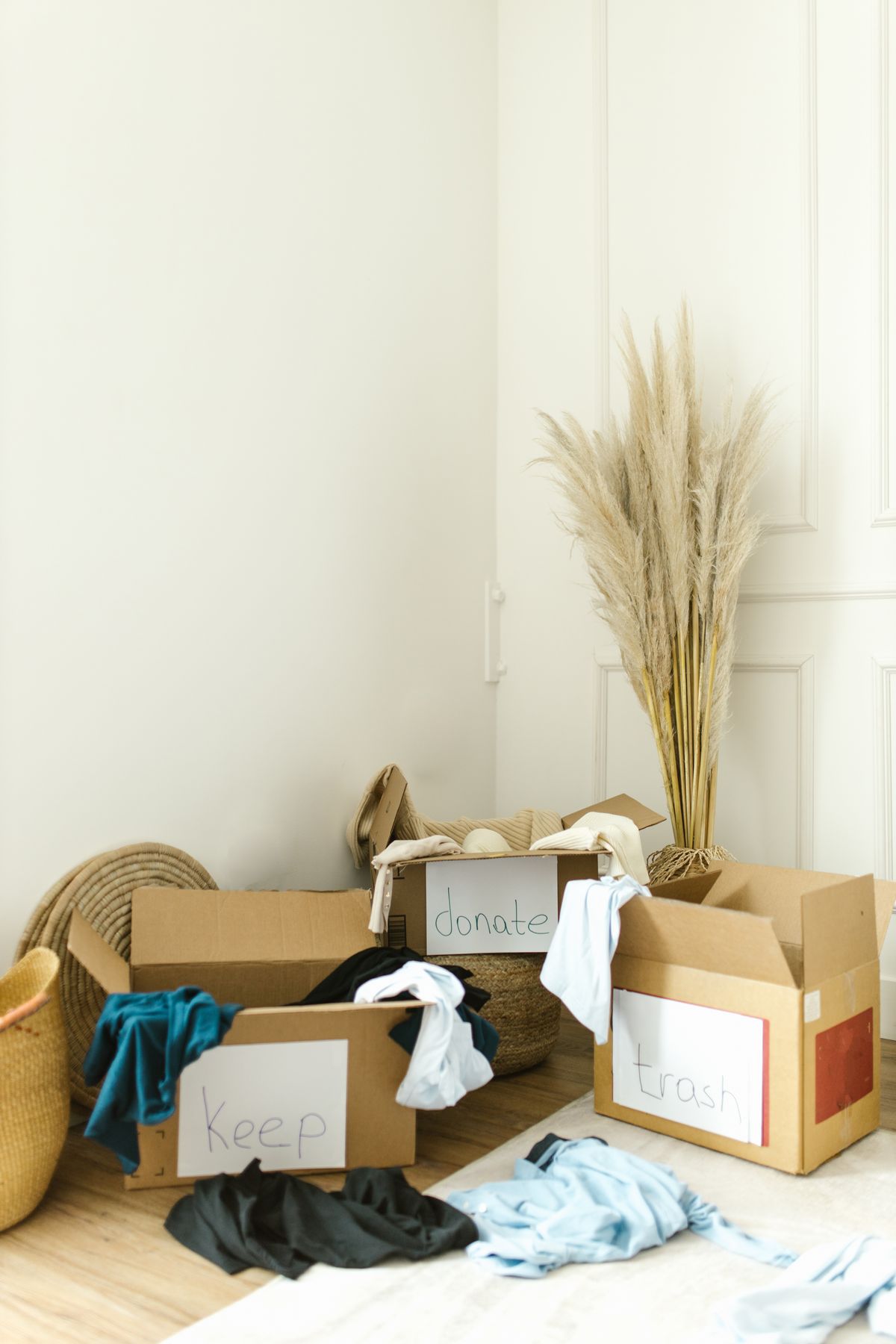
Clutter sneaks up slowly. A pile of mail on the counter, a drawer full of cables nobody can identify, a closet full of clothes that haven't been worn in years. Eventually the whole house feels heavy, and the idea of sorting it out is so big that it's easier not to start.
The trick is to not do it all at once. Start small, use a simple system, and let the first few wins carry you along.
A few things to keep in mind
One cleared-out drawer counts. Seriously. Short sessions of 15 to 30 minutes are much easier to keep up than a whole weekend, and you won't burn out. And start with the easy stuff. Leave photos, letters and anything sentimental until the very end, when you're used to making decisions.
The four-box method
Get four boxes or bags and label them: keep, donate or sell, trash or recycle, and belongs in another room.
Pick up each item and put it in one of the four. There's no "maybe" box. That's the whole point. When the session's over, put the donate box in your car straight away, otherwise it has a habit of quietly moving back into the house.
Questions that make it easier
When you're stuck on something, ask yourself: have I used this in the past year? Would I buy it again today? Do I already have another one? Am I only keeping it out of guilt, or "just in case"?
That last one is the big one for a lot of people. A useful test: if you could replace it for under $20 in under 20 minutes, it's usually safe to let it go.
Where to start: the bathroom
Bathrooms are small and full of easy decisions, so they're a great first room. Toss the dried-up makeup, the old sunscreen and the bottles with a tiny bit left in the bottom. For expired medicines, check your local guidelines or a pharmacy take-back program rather than throwing them in the trash. Keep only what you actually use.
The kitchen
Go through the pantry and throw out anything past its date. If you've got three can openers, keep the best one. Match every food container with a lid and recycle the orphans. Be honest about appliances you haven't touched in a year. And clear the counters, leaving out only what you use every day.
The closet
Take everything out of one section at a time rather than the whole thing. A trick that works well: turn all your hangers backward. When you wear something, hang it back the normal way. After six months you'll see exactly what you never reach for. Let go of things that don't fit, that need repairs you're never going to make, or that you just don't like.
The living room and bedroom
In the living room, focus on flat surfaces like the coffee table and shelves, because that's where clutter gathers. Sort out old magazines, DVDs and games, and give remotes and chargers one home, like a basket or a drawer.
The bedroom should feel restful. Clear the bedside tables, take out anything that belongs in another room, and check under the bed. You might be surprised.
Paperwork
Sort it into three piles: needs action, file, and shred. A lot of bills and statements can go paperless now, which cuts down what comes in. Shred anything with personal information before recycling it.
Save these for later
Garages, attics and storage rooms are big jobs. Do them once you've built up some momentum inside, and break them into zones, one shelf or corner per session.
Sentimental things come last. Keep the pieces that really mean something and take photos of the rest. One memory box per person is a manageable limit. Letting go of an object isn't the same as letting go of the memory.
Where it all goes
Thrift stores, shelters and libraries (for books) are good for donations, and local buy-nothing groups are great for odd items. Furniture, electronics and good clothes can be sold online. Check your area for electronics, battery and textile recycling.
Stopping it coming back
A simple "one in, one out" rule goes a long way. Give everything a home, because a lot of clutter is really just stuff with nowhere to live. Keep a donation bag in the closet and drop things in as you notice them. Wait a couple of days before buying anything you don't really need. And do a quick sweep of the clutter hotspots once a month.
Decluttering isn't about owning as little as possible. It's about keeping the things you use and like, and making the house easier to live in. Pick one drawer today. If the kitchen's your problem area, our small kitchen organizing guide is a good next step.


Comments
Post a Comment