Cast Iron Skillet Care: How to Clean, Season, and Restore It
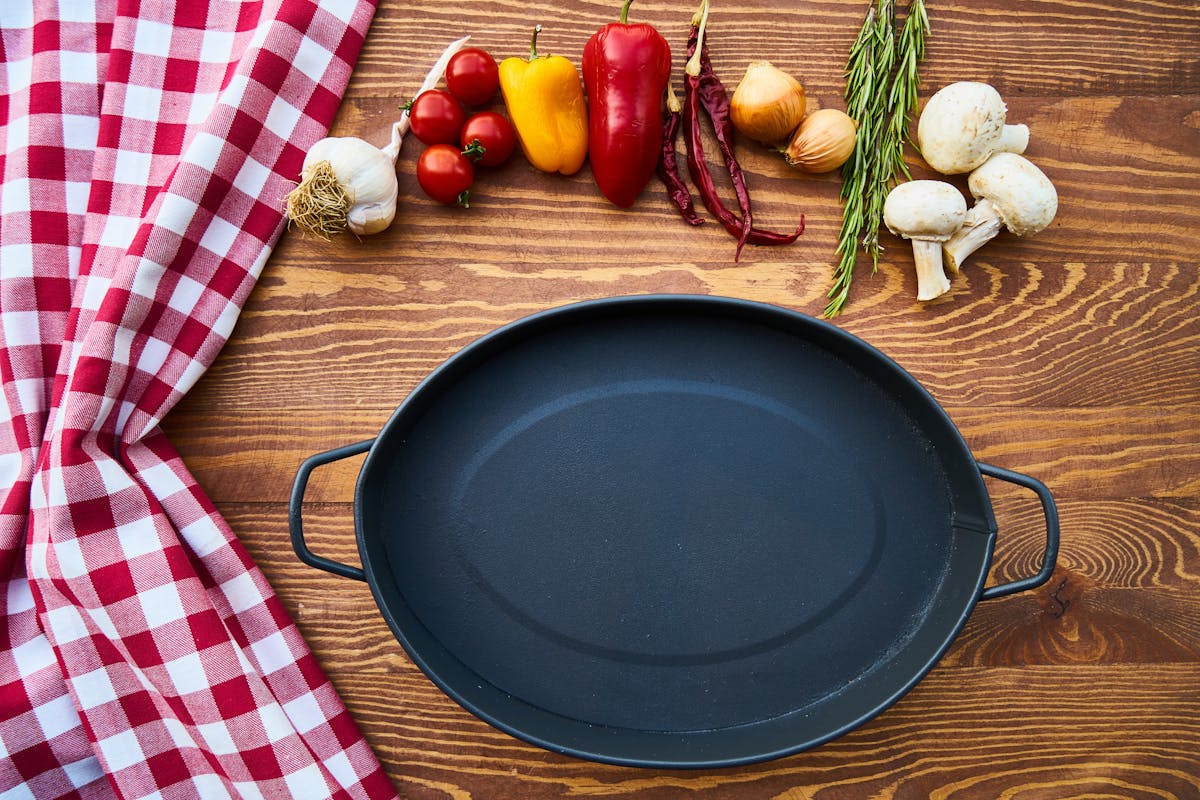
A cast iron skillet is cheap, nearly impossible to break, holds heat brilliantly and actually gets better the more you use it. It also has a reputation for being fussy, which is why so many end up rusting at the back of a cupboard.
It really isn't complicated. Once you understand what "seasoning" is, the rest makes sense.
What seasoning actually is
It has nothing to do with salt and pepper. Seasoning is a thin layer of oil that's been heated until it bonds to the iron and hardens into a smooth coating. That coating does two jobs. It makes the pan naturally non-stick, and it protects the bare iron from rust.
Every time you cook with oil or fat, you add a tiny bit more. That's why old, well-used pans are so dark and slick.
Cleaning it after you cook
Clean it while it's still warm, because food comes off much more easily. Just let it cool enough to handle.
Rinse it under hot water and scrub with a brush, a non-scratch sponge or a chainmail scrubber. A little dish soap is fine. Modern dish soap won't strip proper seasoning. For stuck-on bits, scrub with coarse salt and a splash of water, or simmer some water in the pan for a few minutes to loosen things up.
Then dry it straight away and properly. Towel it off, then put it on a burner on low for a few minutes to drive off the last bit of moisture.
While it's still warm, rub a few drops of cooking oil all over the inside with a paper towel, then wipe off the excess. It should look almost dry, not shiny or wet.
What not to do: don't soak it, don't put it in the dishwasher, and don't leave it to air-dry. Those three are how most cast iron gets ruined.
Seasoning it in the oven
Do this with a new unseasoned pan, after you've removed rust, or when food has started sticking badly.
- Heat the oven to 450 to 500°F (230 to 260°C).
- Wash and completely dry the pan.
- Rub a very thin layer of neutral oil, like vegetable or canola oil or shortening, over the whole thing. Inside, outside, handle.
- Now wipe it off as if you put it on by mistake. It should look nearly dry. Too much oil leaves a sticky, blotchy finish.
- Put the pan upside down on the middle rack, with foil or a baking sheet on the rack below to catch drips.
- Bake for an hour, then turn the oven off and let the pan cool inside.
Two or three rounds gives you a good, solid base. It does smoke a bit, so turn on the hood and open a window.
Fixing rust
Rust looks bad but it's almost always fixable. Scrub the rusty patches with steel wool and a little water until you're down to plain gray metal. Wash with warm soapy water, rinse, and dry it on the stove straight away. Then season it in the oven two or three times.
For heavy rust, soaking the pan in equal parts white vinegar and water can help loosen it. Keep it to an hour at most and check often, because vinegar left too long can start pitting the iron. Rinse well and season right afterward.
If your pan feels sticky, that's usually too much oil that never fully hardened. Bake it upside down at 450°F for another hour. If it's still tacky, scrub it back and re-season with thinner coats.
What to cook in it
A new pan loves fat. Bacon, fried potatoes, sautéed vegetables, cornbread and seared steak all help build up the seasoning. Go easy on long-simmered acidic food like tomato sauce until the seasoning is well established, since acid can wear a thin layer away and give food a metallic taste. A quick splash of wine to deglaze is fine.
Myths you can ignore
"Never use soap" dates back to when soap had lye in it. A bit of modern dish soap is fine. "Never use metal utensils" isn't true either, a metal spatula is fine and can even smooth the surface over time. And "it's ruined" is almost never true. Even a neglected, rusty pan can usually be brought back in an afternoon.
Keep it dry, keep it lightly oiled, and keep using it. Those three things are honestly all it needs. If your kitchen is short on space for pans, have a look at our small kitchen organizing ideas.


Comments
Post a Comment